
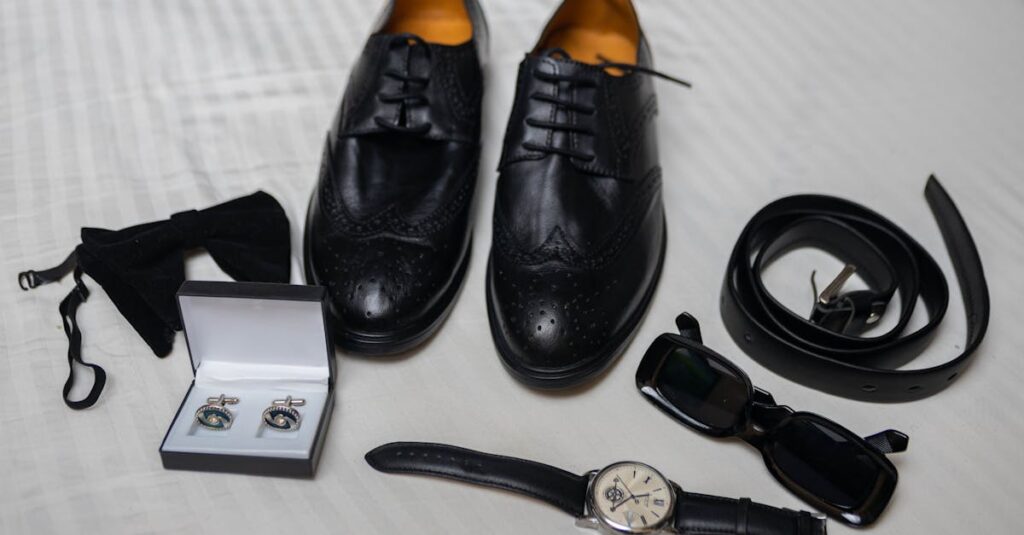

Accessories are no longer “finishing touches”—they’re the main character. In 2026, handbags, jewellery, belts, eyewear, and hair accessories are being designed to do more: carry smarter, style faster, and last longer. For Indian fashion consumers, that means trends that work across climates, commutes, weddings, and weekend plans—without feeling costume-y or impractical.
This guide breaks down the most relevant handbag and accessory trends for 2026, with a focus on what actually works in India: heat and humidity, monsoon realities, crowded metros, festive dressing, and the constant need to switch between Indian and western outfits. You’ll also find practical styling rules, care tips, and smart buying cues so you can adopt trends with confidence—not clutter.
How this trend report is built: The directions below align with widely observed runway and market signals (silhouette shifts, material innovation, and functionality upgrades) from established fashion weeks and industry coverage, while keeping the advice grounded in real-life Indian wearability.
2026 at a glance: what’s changing in bags and accessories
Three big forces are shaping 2026 accessories:
- Function-first design: More pockets, modular straps, lighter hardware, and hands-free formats—because people want style that survives daily life.
- Texture and tactility: Woven finishes, pebbled grains, raffia-like looks, and soft “pillow” structures—textures read premium even in minimal outfits.
- Personalisation: Charms, bag jewellery, monograms, and strap swaps—your bag becomes a styling system, not a single item.
Handbag trends for 2026 (with India-first styling tips)
1) East–west bags: the new everyday hero
The east–west silhouette (wide, horizontal, and sleek) continues to rise because it looks polished without being bulky. It sits close to the body, works with both denim and Indian separates, and photographs beautifully—important for social-first styling.
How to wear in India:
- Office: Pair with straight pants + shirt, or a solid kurta set. Keep hardware minimal for a clean, corporate feel.
- Festive: Choose textured finishes (woven, embossed, or metallic sheen) to complement zari and brocade without competing.
- Petite frames: Go for medium width; oversized east–west bags can overwhelm smaller silhouettes.
2) Soft-structure “pillow” bags (but smarter)
Soft bags are evolving: less slouch-for-the-sake-of-it, more engineered softness with stable bases and better organisation. Think cushioned handles, rounded corners, and supple materials that still hold shape.
India practicality check: Soft bags are comfortable for long days, but choose one with a zip closure and at least one internal pocket—especially for metro and market commutes.
3) Micro-to-midi: the size reset
After years of extremes, 2026 settles into midi sizes—big enough for phone, wallet, keys, small makeup, and sanitizer; small enough to stay light. Micro bags remain, but more as charm-like styling pieces layered with a larger bag.
Styling rule: If your outfit is heavily embroidered (weddings, sangeet, festive dinners), a midi bag in a calm tone looks intentional and expensive.
4) Top-handle bags for day-to-night polish
Top-handle silhouettes are back as the “put-together” alternative to totes. They instantly elevate even basic outfits and look great with Indian wear because they echo traditional potli/handheld energy—without being too ethnic.
Best pairings: saree + belt, anarkali with minimal jewellery, or a blazer over a slip dress.
5) Hands-free crossbody and belt-bag hybrids
Hands-free remains non-negotiable in India—travel, errands, events, and even weddings where you want to dance without worrying about your bag. In 2026, belt bags look sleeker and more “styled,” often worn crossbody with structured shapes.
Wear it well: Keep the strap shorter so it sits high on the torso; it looks intentional and reduces swing in crowded spaces.
6) Woven and basket textures (city-appropriate versions)
Woven textures move beyond beach styling. In 2026, you’ll see tighter weaves, darker tones, and leather-like trims that make woven bags appropriate for cities and even semi-formal settings.
Monsoon tip: If you live in a high-rain city, reserve open-weave styles for dry months and choose coated or tightly woven versions for daily use.
7) Metallics: not just party—now everyday accents
Metallic handbags shift from “night-only” to “neutral with shine.” Silver, pewter, champagne gold, and gunmetal work like jewellery: they add light without requiring loud colour.
Indian outfit pairing: Metallic bags look especially modern with solid sarees, monochrome kurta sets, and minimal Indo-western silhouettes.
8) Statement straps and modular styling
Straps become the accessory: woven straps, chain-and-leather combos, sporty webbing, and detachable short handles. This is the easiest way to refresh an older bag without replacing it.
Smart buy cue: Prioritise bags with detachable straps and standard hardware rings so you can swap in new straps later.
9) Bag charms, chains, and “bag jewellery” (done grown-up)
Bag charms remain, but 2026 leans more refined: a single sculptural charm, a short chain, a tassel, or a small pouch. The look is curated, not cluttered.
Rule of one: If your bag has a strong texture or metallic finish, keep charms minimal. If your bag is plain, add one standout charm for personality.
Accessory trends for 2026 (beyond handbags)
1) Belts: waist definition returns (with Indian wear too)
Belts are back as styling tools, not just functional items. The 2026 belt story includes slim belts over blazers, corset-inspired wide belts, and clean minimal buckles.
- Over sarees: Use a sleek belt to define the waist and modernise drapes (especially pre-pleated or ruffle sarees).
- Over kurtas: Works best on straight or A-line kurtas; avoid very flared silhouettes unless the belt is soft and wide.
- For men: Minimal buckles and matte finishes look more current than high-shine hardware.
2) Jewellery: sculptural minimalism + mixed metals
In 2026, jewellery trends split into two wearable lanes: sculptural minimal pieces (bold shapes, clean lines) and mixed-metal layering (silver + gold together). This is practical for Indian wardrobes because it reduces the need to “match” everything.
Styling tip: If your outfit has heavy embroidery, choose one sculptural piece (earrings or cuff). If your outfit is plain, layer two to three delicate pieces for depth.
3) Pearls, but irregular and modern
Pearls continue, but the vibe is less traditional: baroque shapes, uneven strings, and pearl accents combined with metal. This pairs beautifully with Indian festive wear while still feeling contemporary.
4) Hair accessories: elevated basics
Hair accessories move from “cute” to “polished”: oversized claw clips in neutral tones, satin scrunchies, minimal pins, and headbands with clean structure. These are especially useful in Indian summers and humid cities.
- Workdays: Neutral claw clip + low twist looks sharp and takes under a minute.
- Festive: Minimal pins with a sleek bun let earrings and neckline shine.
5) Sunglasses: shield shapes and soft rectangles
Eyewear trends lean futuristic but wearable: shield-inspired frames, soft rectangles, and wrap details. For Indian face shapes, medium-width frames with a gentle lift at the outer corner tend to flatter widely.
Practical cue: Prioritise UV protection and comfortable nose bridges—style is pointless if you can’t wear them for a full day.
6) Footwear-adjacent accessories: socks, anklets, and bag-to-shoe coordination
Accessories now coordinate across categories: a metallic bag with metallic flats, or a woven bag with textured sandals. Anklets and minimal chains reappear as subtle details, especially with cropped pants and midi skirts.
Colours and finishes that will look “2026” instantly
Instead of relying only on loud seasonal colours, 2026 accessories lean into modern neutrals and food-inspired tones that photograph well and mix easily with Indian palettes.
- Modern neutrals: stone, taupe, mushroom brown, warm grey, ink navy
- Rich accents: oxblood, deep teal, chocolate, marigold
- Metallic neutrals: silver, pewter, champagne, brushed gold
- Finish trends: pebbled texture, woven texture, matte hardware, subtle sheen (not high-gloss)
Materials and sustainability: what to look for (without greenwashing)
“Sustainable” is often used loosely in fashion, so it helps to know what signals are meaningful. In 2026, you’ll see more alternative materials and recycled components, but the most sustainable bag is still the one you’ll use for years.
Better indicators of a responsible buy
- Durable construction: reinforced handles, strong stitching, stable base, quality zips
- Repairability: detachable straps, replaceable hardware, simple linings
- Material transparency: clear mention of composition (e.g., recycled polyester lining) rather than vague claims
- Timeless usability: neutral tone + functional size increases repeat wear
India-specific durability checks
- Heat/humidity: avoid finishes that get sticky or peel quickly; textured materials often age better
- Monsoon: choose zip closures and darker linings; consider water-resistant outer finishes for daily commute bags
- Dust: mid-tone colours hide dust better than very light shades
How to build a 2026-ready accessory capsule (India edition)
If you want trend relevance without overbuying, build a small accessory capsule. This works especially well for Indian wardrobes where outfits range from denim to sarees.
5-bag capsule that covers most Indian lifestyles
- Everyday crossbody: zip closure, medium size, neutral colour
- East–west shoulder bag: for office and dinners
- Structured top-handle: for meetings and festive brunches
- Hands-free belt bag: travel, concerts, errands
- One metallic or embellished midi: weddings and celebrations
Accessory capsule add-ons (small, high impact)
- One mixed-metal jewellery set (earrings + chain)
- One sleek belt (mid-width) that works with jeans and kurtas
- One pair of statement sunglasses
- Two hair staples: neutral claw clip + satin scrunchie
Outfit formulas: make 2026 trends wearable in real life
Workwear (women)
Formula: straight pants + crisp shirt + east–west bag + slim belt + small hoops.
Why it works: clean lines + one directional accessory silhouette reads current without trying too hard.
Workwear (men)
Formula: relaxed trousers + polo/oxford + minimal belt + structured sling or compact crossbody.
Why it works: modern proportion + functional accessory keeps the look sharp and commuter-friendly.
College and weekend
Formula: oversized tee + wide-leg jeans + belt-bag worn crossbody + sunglasses + one charm detail.
Why it works: the accessory stack adds intention to relaxed outfits.
Festive at home (puja, family dinner)
Formula: solid kurta set + metallic midi bag + sculptural earrings.
Why it works: solid base lets accessories carry the festive energy without looking heavy.
Wedding guest (sangeet/cocktail)
Formula: Indo-western drape or saree + top-handle bag + mixed-metal jewellery.
Why it works: structured bag balances fluid silhouettes and looks premium in photos.
Travel (airports, road trips)
Formula: co-ord or joggers + hands-free crossbody + sunglasses + hair clip.
Why it works: comfort-first with accessories that keep essentials secure.
What to buy: trend-forward picks (search links)
Use these as starting points for finding 2026-aligned shapes and accessory details. Focus on size, closure, strap comfort, and material feel—those matter more than hype.
- east west shoulder bag
- structured top handle bag
- metallic midi handbag
- woven texture handbag
- belt bag crossbody
- bag charm chain
- wide waist belt for women
- mixed metal hoop earrings
- oversized claw clip
- shield sunglasses
Care and longevity: keep trendy accessories looking new
Trends move fast; good care keeps your accessories relevant longer. These habits matter more in India because of dust, humidity, and monsoons.
Handbag care basics
- Store with shape support: stuff with clean paper or cloth to prevent collapsing.
- Avoid overloading: heavy loads strain handles and distort silhouettes (especially soft-structure bags).
- Wipe weekly: a quick wipe removes dust that can dull finishes over time.
- Rotate usage: even a simple rotation extends life and keeps corners from wearing out.
Monsoon-specific tips
- Dry immediately: if a bag gets wet, air-dry in shade; avoid direct heat which can warp materials.
- Mind the lining: keep a small pouch for liquids to prevent internal stains and odour.
- Choose closures wisely: zips and flaps protect better than open totes during rains.
Jewellery and accessory care
- Separate storage: prevents scratches and tangling, especially for mixed-metal pieces.
- Perfume last: apply fragrance before jewellery to reduce tarnish and residue.
- Wipe after wear: sweat and humidity accelerate dullness—quick cleaning helps.
Common mistakes to avoid when following 2026 trends
- Buying a “trend” size that doesn’t fit your routine: if you carry a charger, a true micro bag will frustrate you.
- Ignoring strap comfort: a beautiful bag that slips or digs in won’t get worn.
- Over-accessorising: if the bag is statement, keep jewellery quieter (and vice versa).
- Choosing high-maintenance colours for daily use: very light shades can be tough in dust and rain.
- Confusing novelty with longevity: the most modern look in 2026 is a bag that appears intentional, not chaotic.
Quick checklist: spot a 2026-ready bag in 30 seconds
- Does it have a clean silhouette (east–west, structured top-handle, refined crossbody)?
- Is the hardware modern (matte, minimal, not overly shiny)?
- Is there smart function (zip, pocket, stable base, comfortable strap)?
- Does the colour work with both western and Indian outfits?
- Can you style it at least three ways (strap swap, day-to-night, casual-to-festive)?